What Is Cryotherapy for Skin Conditions (and How Does It Work)?
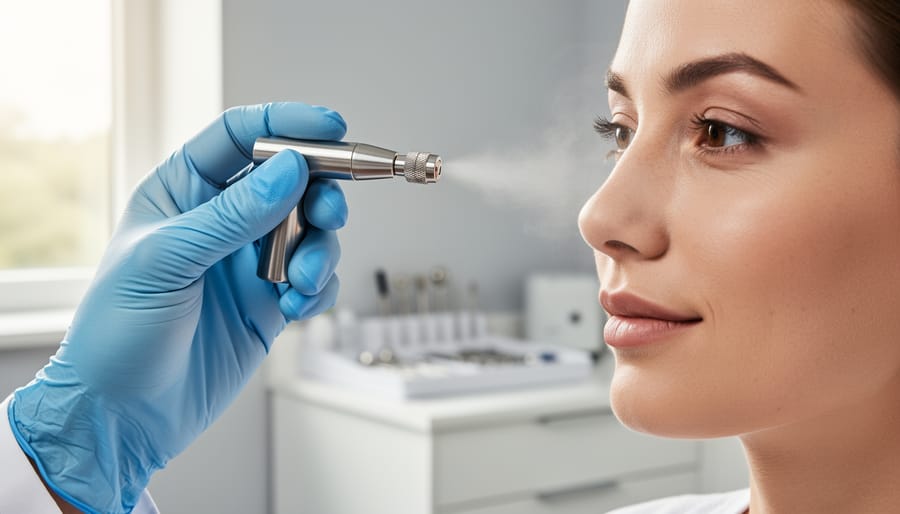
Cryotherapy for skin conditions is the use of extreme cold, most often liquid nitrogen applied by a clinician, to freeze and destroy unwanted or damaged skin cells so healthy skin can take their place. It’s a staple in dermatology offices for things like warts, skin tags, and sun spots, and it’s now showing up in spa menus and on your beauty feed trends as a glow-boosting facial treatment too.
Here’s the catch: those two worlds aren’t the same thing. Medical cryotherapy targets specific lesions with precise, very low temperatures (liquid nitrogen sits around minus 196°C). Cosmetic versions, like cold-air or cold-wand facials, use gentler cooling aimed at puffiness, redness, and a fresher look. Knowing which one you’re considering changes what results to expect, what it costs, and how much care it needs.
If you’re curious about trying it, you deserve a straight answer without the hype. This guide breaks down how freezing skin actually works, the main types, what it can and can’t treat, and when a dermatologist should be the one holding the nitrogen. Because great skin care should feel empowering, not confusing, and it shouldn’t require a luxury budget to understand your options.
What Cryotherapy for Skin Conditions Really Means
Let’s start with the word itself. “Cryo” comes from the Greek word for cold, so cryotherapy is simply cold used as a treatment. When we talk about cryotherapy for skin conditions, we mean the controlled use of very cold temperatures to treat the skin, whether that’s a clinician freezing one specific spot or a cooling facial that leaves you refreshed.
Those two worlds get lumped together, but they’re different. On the clinical side, a trained professional uses extreme cold to target a particular area, like a stubborn wart. On the spa and beauty side, think cold facials, ice-based wellness treatments, and cryo tools meant to calm and refresh. Both use cold, but the intensity, purpose, and expertise involved are worlds apart.
Here’s a quick glossary so you can follow along:
- Cryotherapy
- Using cold temperatures as a treatment. It covers everything from medical freezing to gentle cooling rituals.
- Cryosurgery
- The clinical version, where a professional freezes a specific spot of skin to remove it.
- Liquid nitrogen
- An extremely cold liquid that clinicians commonly use for freezing treatments. It’s a medical tool, not something for home use.
- Cryo facial
- A spa treatment that uses cold to leave skin looking calmer and more refreshed.
- Vasoconstriction
- The tightening of blood vessels when skin gets cold, which is why puffiness and redness can look softer.
And here’s the part that deserves a little myth-busting: icy skincare isn’t reserved for the ultra-glam or ultra-wealthy. Yes, a luxe spa cryo facial exists, but so does a chilled spoon, a cold compress, or a budget-friendly ice roller. Cold is one of the most accessible tools in beauty, and you get to decide how far down the rabbit hole you want to go, from a quick morning chill to a professional consult.
How the Chill Actually Works on Your Skin
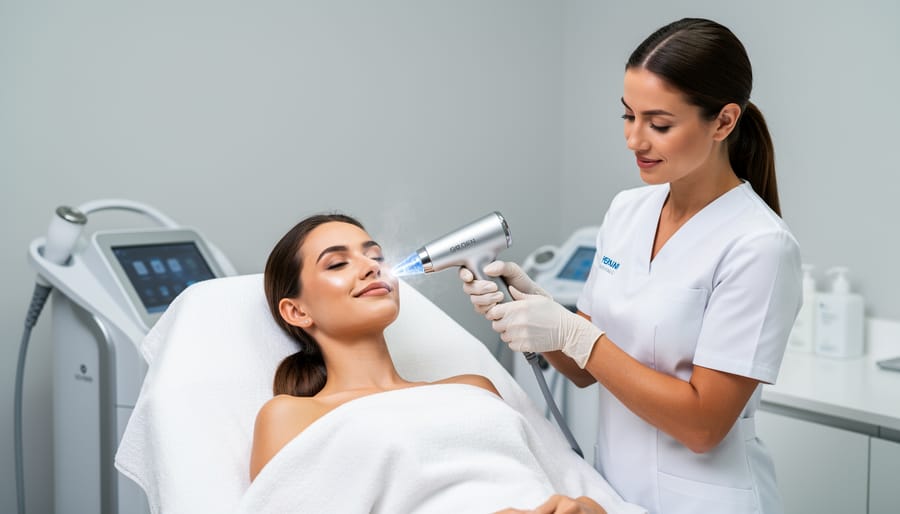
Here’s the fun part: your skin reacts to cold in a pretty predictable way. When something chilly touches the surface, the tiny blood vessels near the top tighten up, a process called vasoconstriction. Less blood flows to the area for a little while, which is why a cold compress or ice roller can make puffiness look softer and redness look calmer. Think of it as hitting a quick “pause” button on your skin’s flush-and-swell response.
That effect is real, but it’s also short-lived. Once your skin warms back up, the vessels relax and things return to normal. Mild surface cooling, like a chilled globe or a cold facial, is more about a temporary refresh than a lasting change. It can feel wonderful before a big day out, and it won’t alter your skin in any deep way.
Clinical cryotherapy is a different game entirely. Here, a trained professional uses extremely cold temperatures, far colder than anything in your freezer, on one very specific spot. The cold damages the unwanted tissue in that area, and the body then clears it away while healthy new skin grows in to replace it. That’s why it’s used on certain warts, skin tags, and other benign spots rather than for an all-over glow.
The gap between those two is big, so it helps to match the method to your goal. A gentle cold tool is a low-pressure way to experiment, while freezing a particular spot belongs in a clinic.
One last thing worth saying: bodies are wonderfully individual. How your skin responds to cold, and how quickly a treated spot heals, can look different from person to person. Skin tone, sensitivity, and the area being treated all play a part, so there’s no single “right” result to measure yourself against.
Types of Cryotherapy You’ll Come Across in Skincare
Cryotherapy shows up in a few different forms, and the price range is wide enough that there’s a spot for almost everyone. Here’s the easy way to sort them.
Professional in-office freezing. This is the clinical version, and it’s what most people mean when they talk about cryotherapy for skin conditions. A trained provider uses a very cold substance, often liquid nitrogen, to target a specific spot like a wart or a skin tag. It’s quick, precise, and meant for particular concerns rather than your whole face. Because it’s a medical treatment, it’s the one to leave to a qualified professional.
Cryo facials and spa cold treatments. Think of these as the beauty-side cousin. A cryo facial uses cold air, chilled tools, or cooling masks to give skin a refreshed, calmer look for a little while. They’re relaxing, usually short, and priced like other spa services, so they can be a fun treat rather than a routine you need to commit to.
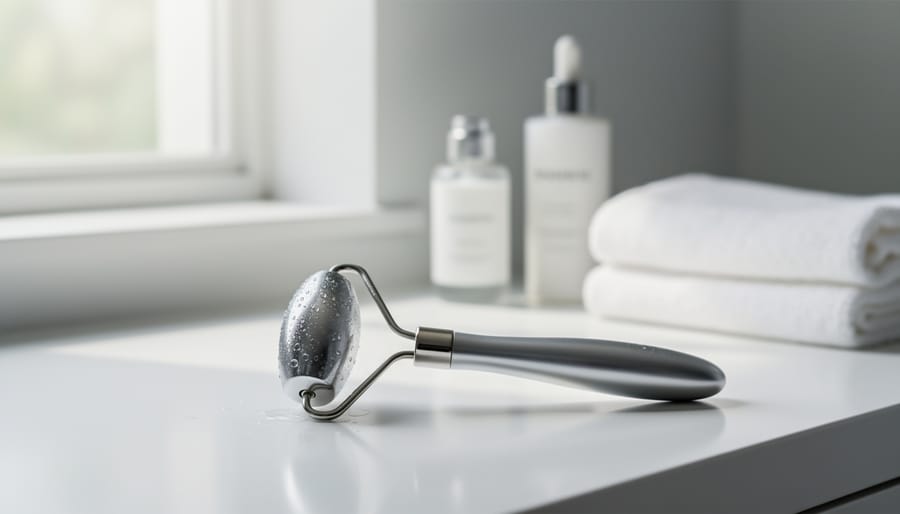
At-home cold tools. This is the budget-friendly entry point, and honestly the best place to start. Ice rollers, chilled facial globes, and plain old cold compresses all bring that cooling effect to your morning routine for very little money. A washcloth run under cold water works too. Keep the tools in the fridge, not the freezer, so they’re cool rather than harshly icy.
Starting small is completely valid. You don’t need a spa membership or a high-end gadget to enjoy a cold ritual, and plenty of affordable tools do the job beautifully. If you’re building a routine on a budget, our roundup of skincare budget picks is a good place to find wallet-friendly staples to pair with your cooling tools.
Whichever route you take, the best choice is the one that fits your skin, your schedule, and your budget. There’s no single right way to do this.
How Cryotherapy Is Used for Common Skin Concerns
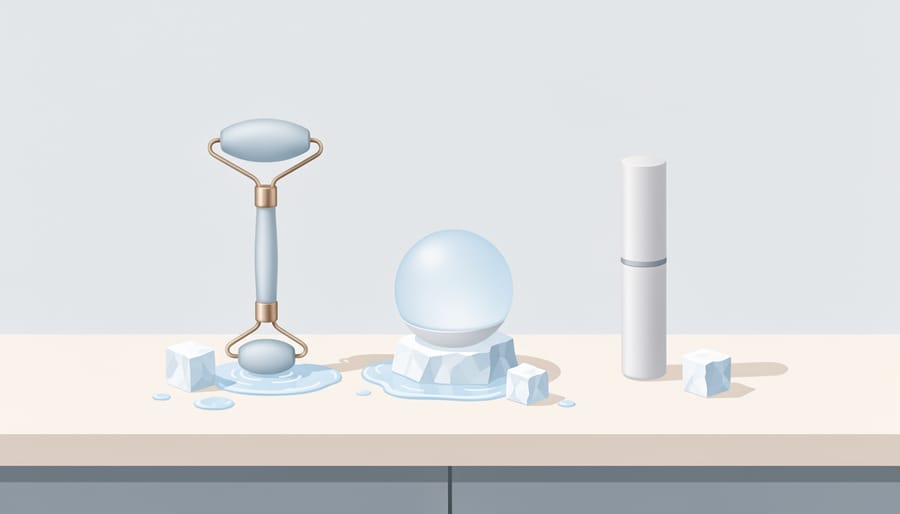
Cold shows up in skincare in two very different ways, and it helps to know which one you’re dealing with. On the clinical side, a trained professional uses extreme cold to treat a specific spot. On the beauty side, gentle cooling gives your face a temporary refresh. Here’s how the uses break down:
- Typically done by a professional: Warts, since freezing destroys the affected tissue so healthy skin can grow back.
- Typically done by a professional: Skin tags, which a clinician can often freeze off quickly in a single visit.
- Typically done by a professional: Certain benign spots, where targeted freezing removes the unwanted patch of skin.
- Easy beauty-routine cold treatments: Morning puffiness, because a chilled roller or cold compress can make the face look less swollen.
- Easy beauty-routine cold treatments: A calmer look, since cooling can temporarily soften the appearance of redness.
- Easy beauty-routine cold treatments: A post-workout reset, when a cool, soothing touch feels great on flushed skin.
The first group is medical territory, and it’s worth leaving to the pros. Freezing a wart or tag at home with random ice isn’t the same thing, and it can leave skin irritated or damaged. The second group is where you can play. A chilled spoon, a jade roller from the fridge, or a cold washcloth costs next to nothing, and the effects are temporary and surface-level, so think of them as a feel-good ritual rather than a fix.
One important line: if a spot is persistent, changing, bleeding, or just looks different than it used to, skip the DIY and have a dermatologist or healthcare provider take a look. That’s not about fear, it’s about getting a proper answer.
And as for what you do or don’t treat? That’s your call. Some people love a clear-skin routine, others are happy to leave a tag or a freckle alone. Skin goals are personal, and there’s no wrong way to care for yours.
Safety, Sensitivity, and Smart Questions to Ask First
Cold feels refreshing, but it’s still a real stressor on your skin, so a little caution goes a long way. Treat this as part of your smart beauty choices: gentle, informed, and tuned to how your skin actually feels.
Start with the basics. Never press ice directly against bare skin for long stretches. Wrap it in a soft cloth, keep it moving, and stop after a minute or two. Patch-test any new tool, like an ice roller or chilled globe, on a small area first, and wait a day to see how your skin responds. If you notice stinging, burning, or that waxy, numb feeling, pause right away. That’s your skin telling you it’s had enough.
If your skin is very sensitive, or you live with conditions like rosacea, eczema, poor circulation, or cold sensitivity, check with a healthcare provider before trying anything new. Keep at-home routines mild and short. More cold isn’t better.
For clinical treatments, book a consult with a qualified professional, such as a dermatologist. Come with questions:
– What’s your training and experience with this treatment?
– What should I expect during and right after?
– What does aftercare look like, and what’s normal healing?
– Are there alternatives that suit my skin better?
A good provider will welcome those questions, and you’ll leave feeling confident, not rushed.
Your Cryotherapy Questions, Answered
Is cryotherapy good for skin?
It depends on what you mean. Professional freezing is a proven tool for specific spots like warts, while cold facials and ice tools mainly give a temporary, calmer, less puffy look. Results vary from person to person.
Does it hurt?
Clinical freezing usually brings a brief sting or burning feeling, and the area can be tender afterward. Cooling tools and cold facials feel refreshing at most, and you should stop if anything feels sharp or numb.
Can I do it at home?
Gentle cold tools like ice rollers, chilled globes, and cold compresses are fine for a quick refresh. Anything involving actual freezing of a spot belongs in a professional’s hands, so please skip DIY attempts on warts or moles.
How is a cryo facial different from an ice roller?
A cryo facial is a spa treatment done by a trained pro using specialized cold techniques, while an ice roller is a budget-friendly tool you control yourself. Think of the roller as the easy entry point and the facial as the splurge.
Is it worth the money? That’s really personal, and there’s no wrong answer. A chilled roller costs very little and slides right into your everyday routine, so it’s a low-risk way to see if you like it. Spa facials cost more, so ask what’s included before you book. Clinical treatments are about solving a specific concern, so the value comes from that.
As for permanence, don’t expect it from the beauty side. The de-puffing effect fades within hours, which is why people repeat it. Professional freezing can remove a targeted spot, though some concerns may need more than one session. If a spot is changing, bleeding, or just won’t go away, book a visit with a dermatologist instead of guessing.
So, what is cryotherapy for skin conditions? At its core, it’s the smart use of cold to help skin look and feel better, whether that’s a professional freezing a stubborn wart or skin tag, or a chilled roller giving your morning face a refresh. Both sit under the bigger umbrella of Cryotherapy for Skincare, and both deserve a spot in the conversation.
Here’s the best part: you get to choose. Some people love a five-dollar cold compress and a quiet moment at the bathroom mirror. Others want the expertise of a dermatologist or a trained spa pro. Neither route is more “legit” than the other, and neither requires a luxury budget or a particular look. Your skin, your goals, your call.
What matters is going in informed. Keep cold treatments gentle, patch-test anything new, and bring in a professional for spots that are persistent, changing, or just worrying you.
So start small. Try one cold ritual this week, see how your skin responds, and let that guide what comes next. Your skin is already talking to you. All you have to do is listen.