Radical Cosmetics Is Changing Clean Beauty (Here’s What You Need to Know)
Radical cosmetics aren’t about neon packaging or shock-value branding. They’re about something far more transformative: total transparency in what you’re putting on your skin and who’s making it happen. At the heart of this movement is Radical Cosmetics, a U.S.-based clean beauty manufacturer that’s rewriting the rules of the industry with ISO 9001 and ISO 22716 certifications backing every formula they produce. These aren’t just fancy letters on paper. They represent third-party verification that manufacturing standards meet strict quality control and safety protocols, something the beauty industry desperately needs as more of us demand to know exactly what’s in our products and where they come from.
Here’s what makes this matter to your makeup bag: while most brands keep their manufacturing processes hidden behind glossy marketing campaigns, certified manufacturers like Radical Cosmetics operate under rigorous oversight that ensures consistency, purity, and accountability. Founded alongside sister companies Lotus Cosmetics and Lotus Bio-Mineral by Baijnath, the company specializes in private label and contract manufacturing, meaning they’re often the invisible force behind brands you already love. Understanding this ecosystem helps you become a smarter shopper who can spot the difference between genuine clean beauty commitments and greenwashed promises.
Whether you’re hunting for products that align with your values or simply want your foundation to deliver what it claims without mystery ingredients, knowing how legitimate manufacturers operate puts the power back in your hands.
What Makes Cosmetics ‘Radical’ in 2026?
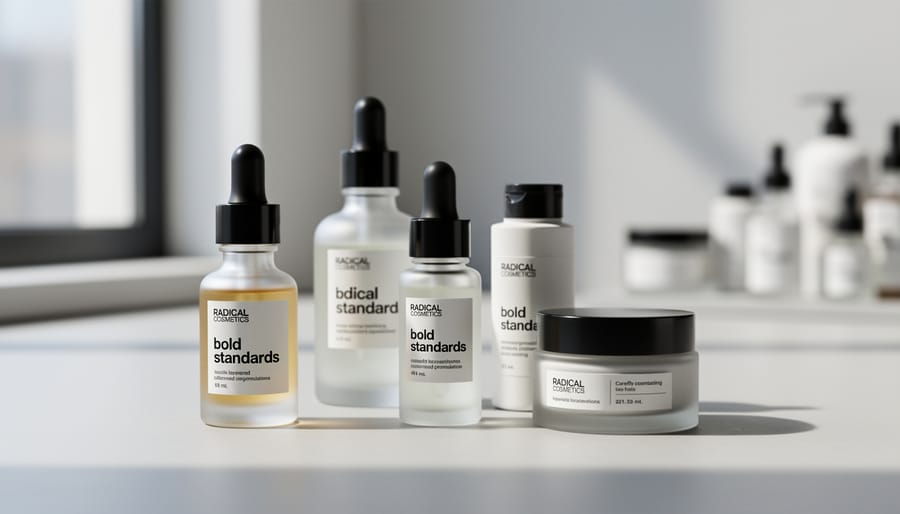
The term ‘radical’ in beauty no longer describes neon eyeshadow or experimental textures. In 2026, radical cosmetics represents a fundamental shift in how products are made, who makes them, and what information reaches your bathroom shelf. This movement centers on three pillars: complete transparency about ingredients and sourcing, manufacturing practices that meet verifiable standards, and a rejection of vague marketing claims that have dominated beauty for decades.
Clean beauty evolved from a trendy buzzword into a framework with teeth. Where earlier brands slapped “natural” or “clean” on labels without accountability, the radical cosmetics movement demands proof. Certifications like ISO 9001 and ISO 22716 aren’t just alphabet soup. They represent audited quality management systems and good manufacturing practices that independent bodies verify regularly. When a manufacturer holds these certifications, they’re submitting to inspections, documentation requirements, and contamination controls that far exceed cosmetic industry minimums.
Why does this matter now more than ever? Because the gap between what brands claim and what labs confirm has never been more documented. Social media spreads ingredient breakdowns in hours. Consumers cross-reference supplier databases. The mystique around “proprietary formulas” crumbles when you can trace contract manufacturers and private label suppliers. Radical transparency isn’t optional anymore for brands that want longevity.
Manufacturing integrity became the new frontier because formulation alone doesn’t guarantee safety. A beautiful ingredient list means nothing if the facility mixing those ingredients operates with lax hygiene protocols or inconsistent quality checks. The radical approach recognizes that who makes your serum matters as much as what’s in it. This understanding shifts power from marketing departments to production floors, from aspirational branding to verifiable processes. It’s a complete rewrite of what beauty brands owe you.
Meet Radical Cosmetics: The Brand Behind the Standards
Radical Cosmetics doesn’t just make products, they manufacture them under some of the strictest quality standards in the clean beauty industry. Based in the United States, this company operates behind the scenes as a contract and private label manufacturer, meaning they create formulations that other brands put their names on. But what sets them apart is their commitment to certifications that most beauty buyers have never heard of, yet matter enormously for what touches your skin.
The company holds both ISO 9001 and ISO 22716 certifications, credentials that sound like alphabet soup but translate into real safety and quality assurance. These aren’t marketing badges, they’re internationally recognized standards that require rigorous auditing, documentation, and consistent manufacturing practices. For a contract manufacturer to earn and maintain these certifications, every batch, every ingredient, and every process must meet exacting benchmarks.
- ISO 9001
- An international quality management standard that ensures consistent processes, continuous improvement, and customer satisfaction across all manufacturing operations. Think of it as proof that the company doesn’t just make products, they systematically track and improve how they make them.
- ISO 22716
- The cosmetics-specific Good Manufacturing Practice (GMP) standard that covers everything from ingredient sourcing and contamination prevention to employee training and facility hygiene. This certification means the manufacturer follows the same safety protocols required by regulatory agencies worldwide.
When you see a beauty brand advertising clean ingredients, there’s a good chance their products were made by a manufacturer like Radical Cosmetics. The company is part of a family of sister companies that includes Lotus Cosmetics and Lotus Bio-Mineral, all operating under the vision of founder Baijnath. This connected network allows them to specialize in different aspects of clean beauty manufacturing while maintaining the same exacting standards across facilities.
What this means for you as a consumer is straightforward: the brands using Radical Cosmetics as their manufacturer benefit from established quality systems, not improvised bench chemistry. Whether a product costs fifteen dollars or fifty, if it comes from a certified facility, you’re getting manufacturing integrity that protects you from contamination, inconsistent formulation, and safety shortcuts. That’s the kind of radical standard that actually matters when you’re deciding what deserves a spot in your routine.
Why Clean Manufacturing Matters for Your Skincare Routine
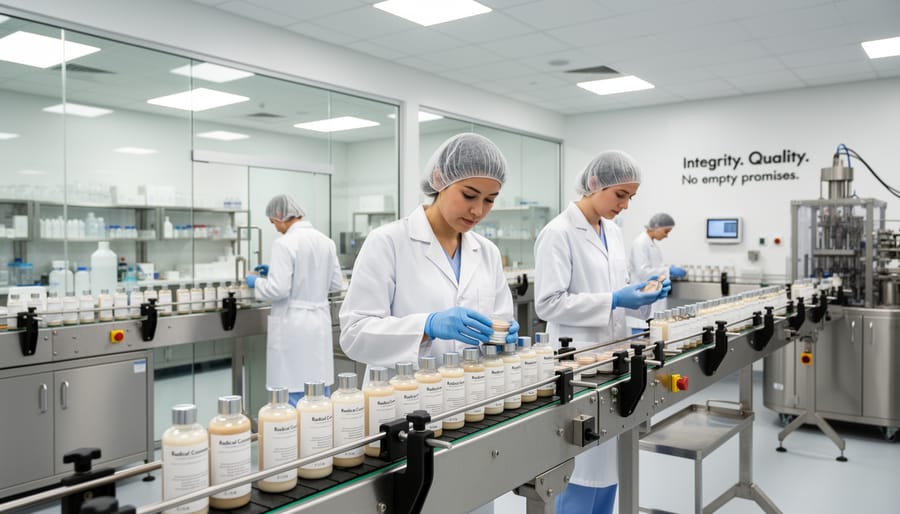
Your favorite serum might come from the same factory as a luxury brand’s hero product. The label tells you one story, but the facility where it was actually made tells another, and that’s where clean manufacturing standards become your skin’s first line of defense.
Contract manufacturing and private label production power much of the beauty industry. One certified facility might produce formulas for dozens of different brands at wildly different price points. The brand owns the marketing, but the manufacturer controls the actual process: sourcing ingredients, following safety protocols, maintaining equipment, and ensuring each batch meets quality standards. When a manufacturer holds ISO 22716 certification, it means they’ve committed to Good Manufacturing Practices, documented procedures for everything from hygiene protocols to contamination prevention. That certification doesn’t automatically transfer to every brand they work with, but it signals the baseline capability exists.
This is why knowing the maker matters. A brand might promise clean ingredients on their website while contracting production to a facility with lax standards. Conversely, an affordable private label brand produced at a certified facility might deliver better safety and consistency than a premium competitor made elsewhere. The disconnect happens because most consumers never think to ask where their products are actually manufactured.
Look for brands transparent about their manufacturing partnerships. Companies that mention their certifications or facility standards aren’t just showing off, they’re inviting scrutiny, which builds trust. When a manufacturer like Radical Cosmetics publicizes ISO 9001 and ISO 22716 certifications, any brand they produce for benefits from those protocols, whether it’s a private label line or a custom formulation.
You can’t control every variable in your beauty routine, but you can prioritize products from manufacturers who’ve proven their commitment to safety standards. Your skin absorbs what you put on it. The factory behind the formula determines whether that’s a carefully controlled process or a gamble.
How to Spot Truly Radical Beauty Brands
Shopping for clean beauty shouldn’t require a chemistry degree or a trust fund. The secret to finding truly radical brands is knowing what questions to ask and which signs actually matter. While plenty of brands slap “clean” or “natural” on their packaging, the ones walking the walk have specific markers you can verify in about five minutes.
Start with certifications that mean something. ISO 22716 (Good Manufacturing Practice for Cosmetics) and ISO 9001 (Quality Management Systems) aren’t sexy marketing terms, but they’re what dermatologists recommend looking for because they prove a manufacturer follows strict safety protocols. These aren’t handed out for fun, they require regular audits and documented processes. If a brand mentions their manufacturer holds these certifications, that’s a green flag. If they’re vague about where their products are made, that’s worth questioning.
- Check the brand’s website for transparency about manufacturing partners or facility certifications
- Look up the manufacturer if listed, companies like Radical Cosmetics make their certifications public
- Read the full ingredient list, not just the marketing highlights on the front label
- Search for third-party testing results or safety documentation
- Verify claims through certification bodies rather than taking brand statements at face value
Red flags are equally telling. Brands that refuse to disclose where products are made, make dramatic before-and-after claims without clinical backing, or use scare tactics about “toxic chemicals” without specifics are often hiding weak standards behind loud marketing. Price isn’t always the tell, some affordable brands prioritize clean manufacturing because their focus is product integrity over Instagram-worthy packaging.
Ask yourself: does this brand treat me like I’m smart enough to understand their process, or are they banking on buzzwords and pretty bottles? The radical choice is staying curious and demanding real answers.
Building Your Radical Beauty Routine on Any Budget
Start with products that live on your skin longest. Serums, moisturizers, and anything you don’t rinse off deserve the cleanest formulations because they absorb directly. If you’re building a glowing skin routine from scratch, invest your budget in face care from certified manufacturers first. Check product packaging for ISO 22716 or similar quality stamps that signal genuine manufacturing standards, not just marketing spin.
Leave-on skincare matters more than rinse-off products. That means your cleanser can be mid-tier while your night cream warrants the upgrade. Same logic applies to makeup: foundation stays put for hours, so prioritize formulations from brands transparent about their manufacturing partners. A clean mascara matters more than eyeshadow you blend away.
Look for brands that disclose their manufacturing certifications and ingredient sourcing without making you dig through twelve web pages. Many luxury skincare brands charge premium prices for packaging, not purity. You want the opposite: minimal markup, maximum standards. Private label products from certified manufacturers often deliver the same formulation quality at half the price because you skip the brand tax.
Build gradually. Swap one product per month, starting with whatever touches your face most. Your morning moisturizer gets daily contact, so replace it first. Lipstick you wear occasionally can wait. Track how your skin responds, not how trendy the label looks. Real results come from consistent use of properly formulated products, not from owning every item a brand makes. Three certified staples beat ten questionable ones every time.
Choosing products from manufacturers like Radical Cosmetics isn’t about chasing luxury price tags or exclusive beauty club memberships. It’s about getting what you deserve: formulas made with transparency, safety standards that actually mean something, and brands that respect you enough to prove their claims. That’s accessible to everyone willing to ask questions and look beyond the marketing gloss.
The radical cosmetics movement strips away the smoke and mirrors that have dominated beauty for too long. When you know what certifications matter, which ingredients to prioritize, and how manufacturing integrity affects what touches your skin daily, you’re not just buying products, you’re investing in yourself without the stereotypes or gatekeeping.
Start small if you need to. Swap one skincare staple for a certified clean option, ask your favorite brands about their manufacturing standards, or simply stay curious about what goes into the products lining your bathroom shelf. Real beauty power comes from being informed, not from spending more. You’ve got this, and your skin will thank you for caring enough to choose better.