What Is 2000’s Fashion (and How Does It Work)?
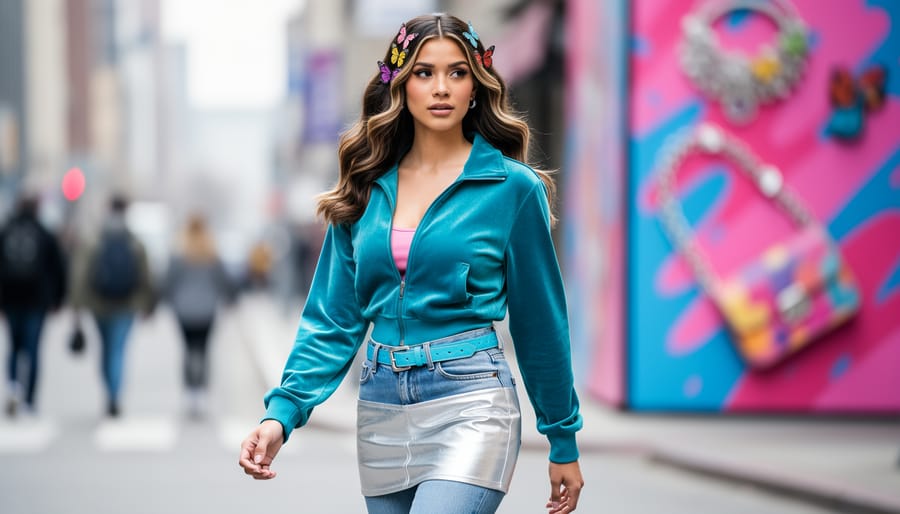
2000’s fashion trends are the distinctive style elements that defined the early millennium, characterized by low-rise jeans, velour tracksuits, butterfly clips, chunky highlights, and maximalist accessories that blended tech-optimism with pop-culture excess. This era created a visual language where Juicy Couture reigned supreme, Paris Hilton set the tone, and more was always more.
Today, Y2K fashion is experiencing a full-circle renaissance, but wearing it now requires a modern edit. The beauty of reviving these trends lies in cherry-picking the pieces that celebrate individuality without looking like you’re wearing a costume. You can absolutely rock a baby tee or metallic mini skirt in 2026, but the key is mixing nostalgic elements with contemporary silhouettes and elevated basics.
This article breaks down what actually defined Y2K style, how the aesthetic worked as a cultural movement, and which specific trends deserve a spot in your current rotation. You’ll discover how to incorporate affordable versions of iconic 2000’s pieces into outfits that feel fresh rather than dated, all while staying true to your personal style and budget. Whether you’re drawn to the playful accessories, the confident silhouettes, or the unapologetic color palette, you’ll learn exactly how to make early-millennium fashion work for your wardrobe today.
What 2000’s Fashion Actually Means
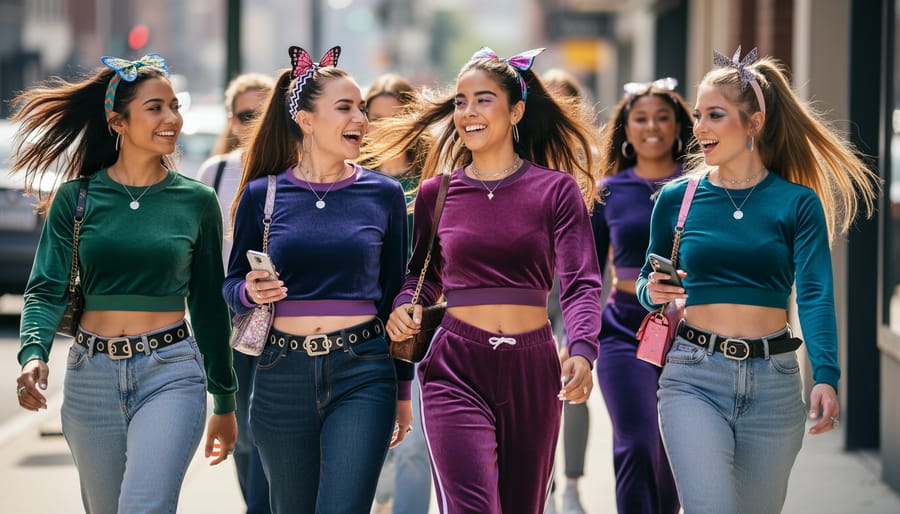
2000’s fashion, often called Y2K style, represents a vibrant collision of pop culture obsession, millennial optimism, and fearless experimentation that redefined what young women could wear. From roughly 1999 to 2009, fashion became deeply personal and accessible, fueled by celebrities like Britney Spears in low-rise jeans and crop tops, Paris Hilton in velour tracksuits and tiny sunglasses, and Destiny’s Child in coordinated metallic ensembles. These icons weren’t just wearing clothes, they were making bold statements that anyone with a mall and a dream could replicate.
What made this era revolutionary was its blend of futuristic aesthetics and hyper-feminine playfulness. The turn of the millennium brought technological optimism, reflected in metallic fabrics, iridescent finishes, and digital-inspired prints. At the same time, fashion embraced unapologetic girliness through pastel colors, bedazzled everything, and accessories that sparkled. This wasn’t high fashion dictating trends from runways, it was MTV, teen magazines, and music videos shaping what felt cool and attainable.
The 2000’s marked a turning point because it broke down barriers between high and low fashion. Designer logos sat next to fast-fashion finds, and personal style mattered more than following strict rules. Young women mixed athletic pieces with going-out tops, layered accessories without restraint, and wore what made them feel confident rather than what traditionalists deemed appropriate. That spirit of accessible, experimental self-expression is why Y2K fashion resonates so powerfully today.
How 2000’s Fashion Works in Your Wardrobe
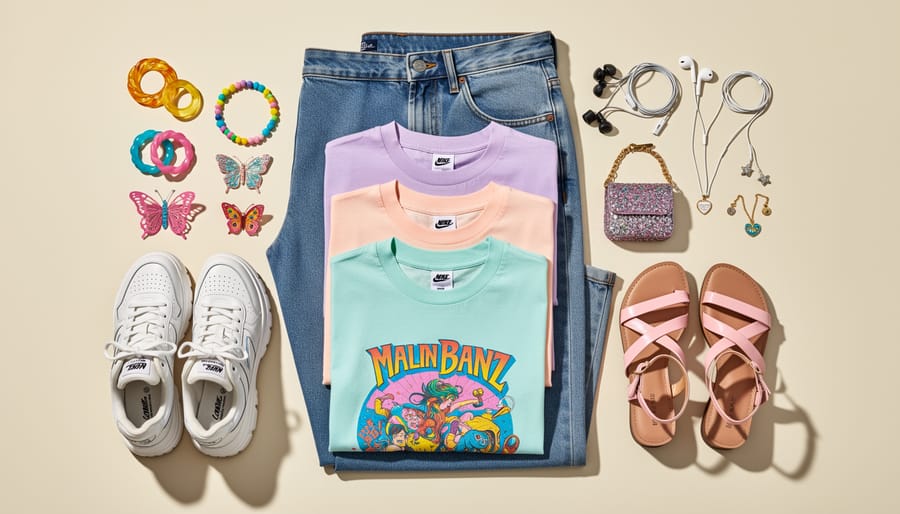
Y2K fashion wasn’t about following a rulebook, it thrived on spontaneity, visible branding, and the confident clash of textures and proportions that would make minimalists wince. The core principles looked like chaos at first glance, but they formed a surprisingly cohesive visual language once you understood the underlying mechanics. Here’s what drove the aesthetic:
- Logo visibility as status and style, branded belts, monogrammed bags, and emblazoned tees turned garments into billboards
- Mix-and-match textures, velour against denim, satin with cotton, metallics layered over matte fabrics
- Accessory layering, stack multiple necklaces, pile on rings, combine belts with scarves and hair clips in a single look
- Body-conscious silhouettes balanced with oversized pieces, pair a micro mini with an oversized hoodie, or low-rise jeans with a chunky jacket
These weren’t rigid formulas. The beauty lay in how the era encouraged you to experiment with extremes and trust your instincts over traditional coordination rules. A typical everyday outfit might feature low-rise jeans, a fitted baby tee, and flip-flops, simple, but anchored by a logo belt and layered necklaces that elevated it beyond basic. Statement looks cranked everything up: add a velour tracksuit in hot pink, stack chunky bracelets, throw on tinted sunglasses, and carry a tiny branded handbag. The difference wasn’t the pieces themselves but the volume and intensity of styling choices.
Branding played a dual role as both aspiration and accessibility. Designer logos signaled status, but affordable knockoffs and diffusion lines meant nearly anyone could participate in the aesthetic. You’d see genuine Juicy Couture tracksuits next to mall versions, and the look still worked because confidence mattered more than price tags. Color and texture contrasts were equally democratic, pairing a sparkly top with distressed denim or mixing athletic stripes with feminine florals didn’t require expensive taste, just a willingness to break the matchy-matchy conventions that dominated previous decades. This approach made Y2K fashion radically inclusive for its time, even if the silhouettes themselves weren’t always forgiving.
Iconic Trends That Defined the Era
Clothing Essentials
The wardrobe essentials of 2000’s fashion centered on pieces that bared skin, hugged the body, and celebrated bold branding. Low-rise jeans reigned supreme, cut to sit several inches below the natural waist, often paired with visible thong straps that peeked above the waistband. These jeans came in every wash imaginable: distressed denim, dark indigo, and even bedazzled versions with rhinestone details along the pockets. Low-rise skirts followed the same silhouette, typically in denim or pleated fabrics that hit mid-thigh.
Baby tees transformed the basic t-shirt into a statement. These fitted, cropped tops ended just above the belly button and featured slogans, band logos, or cheeky graphics across the chest. Paired with low-rise bottoms, they created the era’s signature peek of midriff. Velour tracksuits, particularly in pastel pink, baby blue, or classic black, became synonymous with off-duty glamour, with the jacket zipped just enough to show a matching tank underneath.
Cargo pants brought utilitarian edge to the mix. Wide-legged and loaded with oversized pockets, they sat low on the hips and pooled slightly at the ankles. Denim-on-denim wasn’t a fashion faux pas but a deliberate styling choice: light-wash jeans with a darker denim jacket, or matching sets worn head to toe.
Athletic-inspired pieces blurred the line between gym and street style. Track pants with stripe details, mesh jerseys, and zip-up hoodies appeared in everyday outfits, often styled with heels or platform sandals to elevate the sporty vibe.
Accessories That Made the Look
Accessories were the secret weapon of 2000’s fashion, transforming basic outfits into signature Y2K statements. Butterfly clips, worn in multiples along the hairline or scattered across updos, added instant playfulness. Chunky belts cinched low-rise jeans or layered over dresses, often featuring oversized logo buckles that screamed brand devotion. Tiny handbags, barely big enough for lip gloss and a flip phone, became status symbols; think miniature shoulder bags and baguette styles that prioritized aesthetics over function.
Hoop earrings in oversized gold or silver frames paired effortlessly with chokers, velvet, rhinestone, or tattoo-style bands hugging the neck. Logo belts from designer brands dominated, while trucker hats and bandanas (tied as headbands or around bags) borrowed from skater and hip-hop culture. Colorful sunglasses in tiny oval or rectangle shapes completed the look, often tinted pink, blue, or yellow.
The key was fearless layering: stack chokers with long pendants, clip butterflies alongside scrunchies, drape bandanas over logo belts. More was more, and mixing textures, metal, velvet, plastic, showed your styling confidence. Branding mattered; visible logos proved you knew the trends and weren’t afraid to show it.
Beauty and Hair Trends
Beauty in the 2000s wasn’t about subtlety, it was about shine, sparkle, and experimental flair. Frosted lip gloss reigned supreme, coating lips in iridescent pinks, nudes, and glitters that caught every light. Thin, severely plucked eyebrows framed faces with a delicate arch that feels distinctly Y2K, while glitter found its way onto eyelids, cheekbones, and even body lotion for an all-over shimmer. Face gems dotted around eyes or temples added a playful, festival-ready touch to everyday looks.
Hair was equally bold. Chunky highlights in platinum blonde, caramel, or even pink streaked through darker bases, creating high-contrast dimension. Crimped hair brought texture and volume, often paired with butterfly clips or zigzag parts. On the opposite end, sleek, poker-straight hair became iconic, achieved with flat irons and shine serums, embodying a polished yet youthful vibe.
These beauty choices amplified the era’s fearless, mix-and-match approach. Makeup and hair weren’t just finishing touches; they were central to the aesthetic, encouraging women to experiment, layer textures, and embrace a glossy, glittery confidence that defined the decade.
Footwear and Denim Culture
The Y2K era worshipped one rule above all: bigger was better, and that applied to every step you took. Platform shoes dominated the footwear landscape, from chunky sneakers with exaggerated soles to strappy sandals that added three inches of height. Brands like Skechers and Steve Madden made platforms accessible to every budget, while luxury houses offered their own maximalist interpretations. These weren’t just statement pieces, they were everyday staples that paired equally well with low-rise jeans and velour tracksuits.
But 2000’s footwear wasn’t all about drama. The era embraced radical contrasts, celebrating both the ultra-casual and the ultra-glam. Flip-flops transitioned from beach-only accessories to legitimate street style, often worn with dressy outfits in a deliberate rejection of traditional fashion rules. Ugg boots became the cozy counterpoint to party platforms, offering that effortless off-duty model aesthetic. Chunky sneakers in bright colors and metallic finishes bridged athletic and feminine vibes, letting you run errands in the morning and hit a club at night.
Denim culture deserves its own category because the 2000’s treated denim as a lifestyle, not just a fabric. Yes, jeans were everywhere, but so were denim jackets, denim bags, denim skirts, and even denim accessories. The Canadian tuxedo wasn’t a joke, it was aspirational. Embellished denim with rhinestones, embroidery, and distressing turned basic pieces into personality statements, proving that self-expression didn’t require a luxury price tag.
How to Wear 2000’s Fashion Today (Without Looking Like a Time Capsule)
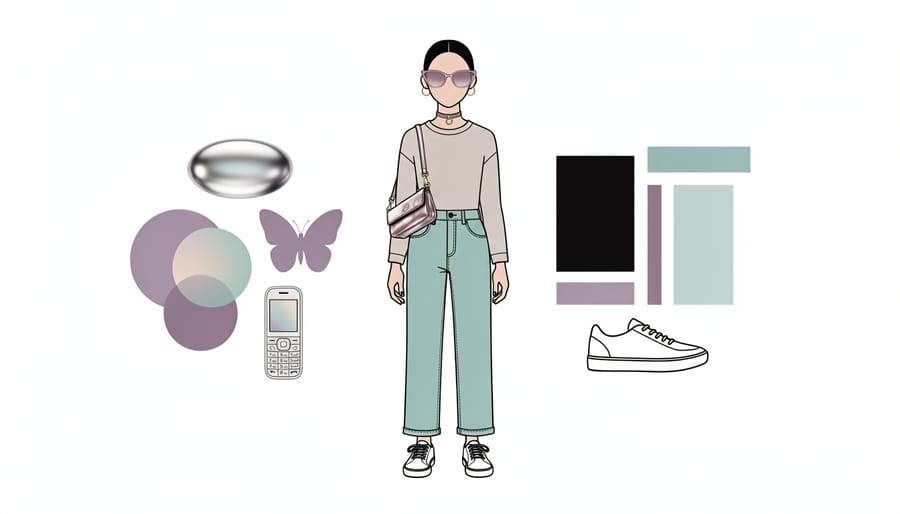
The secret to pulling off Y2K fashion in 2026 isn’t replicating entire outfits from your old teen magazines. It’s cherry-picking the elements that spark joy and mixing them with pieces you already love.
Start with one statement piece per outfit. A baby tee or velour hoodie becomes wearable when you ground it with tailored trousers or a sleek midi skirt. Low-rise jeans work beautifully as a nostalgic nod, but mid-rise versions offer the same aesthetic with more comfort and versatility for different body types. The goal is balance, not costume.
Think of Y2K pieces as the playful accent in an otherwise polished look. Butterfly clips elevate a simple ponytail for brunch. A chunky belt transforms basic jeans and a white tee into something intentional. Tiny sunglasses add edge to your everyday 3-piece outfit without overwhelming it.
Here’s how to keep it fresh:
- Pair one statement Y2K piece with neutral, contemporary basics
- Choose mid-rise or high-rise cuts over ultra-low-rise for modern proportions
- Prioritize quality over logos when investing in nostalgic pieces
- Balance playful accessories like hoop earrings or bandanas with minimalist outfits
Thrift stores, vintage marketplaces, and online resale platforms offer authentic pieces at accessible prices. You’ll find genuine velour tracksuits, graphic tees, and denim jackets without the designer markup. Modern retailers also create Y2K-inspired collections that incorporate updated fits and fabrics.
Don’t let outdated fashion rules dictate what you try. Y2K fashion thrives on breaking stereotypes about age, body type, and who gets to experiment with trend-driven style. A 30-year-old in a cropped cardigan is just as valid as the teenager who wore it two decades ago. Layer a slip dress over a tee for winter fashion statements or swap platform sandals for chunky sneakers that match your lifestyle.
The beauty of this aesthetic is its inherent playfulness. Trust your instincts, wear what makes you feel confident, and remember that the best Y2K look is one that feels authentically yours.
Frequently Asked Questions About 2000’s Fashion
Is Y2K fashion still trendy in 2026?
Absolutely. Y2K fashion has evolved beyond a fleeting revival into a lasting influence on contemporary style, with designers continuing to reinterpret early-2000s silhouettes and Gen Z embracing the playful aesthetic as a form of self-expression. The trend has staying power because it celebrates individuality rather than following rigid rules.
Where can I find authentic 2000’s pieces affordably?
Thrift stores, vintage shops, and online resale platforms offer the best value for genuine Y2K finds. You’ll discover everything from velour tracksuits to logo tees at fraction-of-retail prices, and shopping secondhand aligns with sustainable fashion practices while giving you access to truly unique pieces.
Do low-rise jeans only work on certain body types?
Low-rise jeans can work for anyone when you find the right rise and fit for your proportions. The key is choosing a pair that sits comfortably where you want it, whether that’s slightly lower than mid-rise or truly hip-hugging, and pairing them with tops that make you feel confident, not self-conscious.
Can I mix Y2K fashion with other aesthetics?
Mixing aesthetics is exactly what makes modern styling interesting. Try pairing a baby tee with tailored trousers for a corporate-meets-casual look, or layer a velour hoodie over a slip dress for an unexpected contrast. Y2K pieces work beautifully as accent items within minimalist, romantic, or even edgy wardrobes.
The beauty of 2000’s fashion lies in its flexibility. You’re not committing to a full head-to-toe transformation, instead, you’re borrowing elements that speak to your personal style. A single butterfly clip or a pair of chunky sneakers can add that playful Y2K touch without overwhelming your existing wardrobe. Remember, the era was all about breaking rules and having fun with fashion, so there’s no wrong way to make these trends your own.
2000’s fashion is your permission slip to play with style on your own terms. It’s not about recreating every trend from the era, it’s about cherry-picking the pieces that make you feel confident and energized. Whether that’s a single butterfly clip, a velour hoodie paired with modern denim, or a full-on Y2K moment with low-rise jeans and chunky sneakers, the spirit of this aesthetic is fearless experimentation without apology.
This era proved that fashion doesn’t have to be expensive or exclusive to be impactful. The best Y2K looks mixed high-street finds with statement accessories, proving that personal style beats brand names every time. You don’t need to follow every rule or replicate every silhouette, especially if it doesn’t suit your body or your life right now.
Breaking fashion stereotypes? That’s always in style. So dive into thrift stores, scroll vintage marketplaces, raid your own closet with fresh eyes. Try one trend, then another. Mix eras, bend the rules, and wear what genuinely excites you. The 2000’s taught us that confidence is the ultimate accessory, and that lesson is timeless.