Why Luxury Italian Fashion Brands Are Worth Every Penny (Even on a Budget)
Italian luxury fashion isn’t just for the ultra-wealthy, and it’s time we stopped pretending otherwise. The same craftsmanship, timeless design, and impeccable quality that define houses like Gucci, Prada, and Bottega Veneta are more accessible than you think when you know where to look and how to shop strategically.
Let’s be real: Italian fashion brands have earned their prestigious reputation through centuries of artisanal excellence. From the buttery-soft leathers of Tuscany to the precision tailoring of Milan’s ateliers, these brands represent a level of quality that fast fashion simply cannot replicate. But here’s what the fashion industry doesn’t always advertise: you don’t need a trust fund to own pieces from these iconic houses.
The magic of Italian luxury lies in its investment value. A well-made Valentino blazer or Ferragamo bag will outlast dozens of cheaper alternatives, making the cost-per-wear surprisingly reasonable. Understanding this shift in perspective changes everything about how you approach building a wardrobe that feels expensive without draining your savings account.
What makes 2026 the perfect time to explore Italian luxury? The resale market has exploded with authenticity-verified platforms, outlet shopping has gone digital, and sample sales are no longer exclusive insider secrets. Whether you’re drawn to the bold maximalism of Versace, the quiet elegance of Brunello Cucinelli, or the innovative designs of Fendi, there’s a strategic entry point for every budget.
This guide breaks down exactly which Italian fashion houses deserve your attention and, more importantly, how to actually afford them without compromise.
What Makes Italian Fashion Brands Actually Luxurious
The Craftsmanship Behind the Label
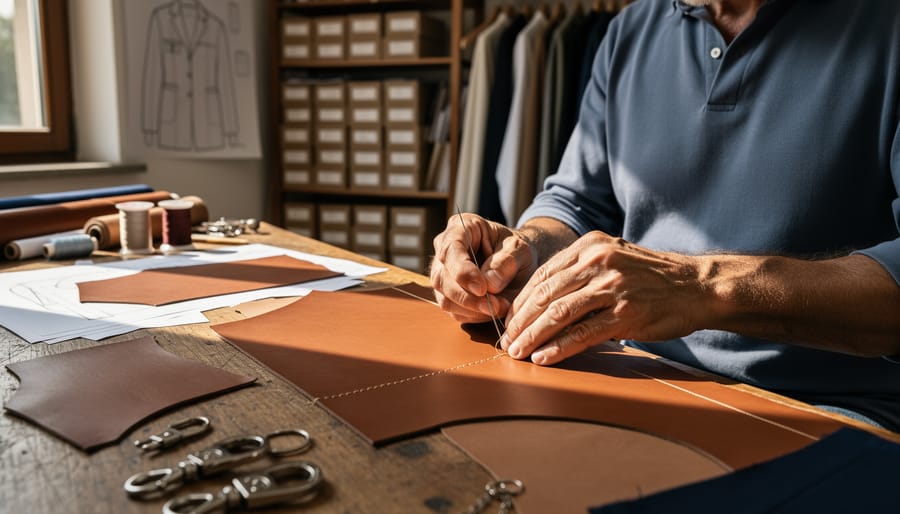
When you pick up a Bottega Veneta bag, you’re holding something a single artisan spent days, sometimes weeks, perfecting. That’s not marketing speak. It’s the reality of Italian luxury craftsmanship, where human hands and centuries-old techniques still matter more than assembly lines.
Take Bottega’s signature intrecciato weave. Each leather strip is cut, softened, and woven by hand in a process that requires years of training to master. The artisan adjusts tension with every pass, ensuring the leather sits perfectly without glue or stitching showing through. A medium-sized bag might contain 1,500 individual weaves. Rush it, and the whole piece fails.
Gucci’s leather workshops in Tuscany follow similarly time-intensive standards. Their artisans hand-stitch handles using saddle stitching, a technique that locks each stitch individually so if one breaks, the others hold. It takes three times longer than machine stitching, but the handle won’t separate after two years of daily use.
Max Mara builds its iconic coats through 72 individual steps per garment. Pattern cutters arrange fabric to match the natural drape of wool, hand-basters shape the shoulders over wooden forms, and finishers attach linings so they move independently from the outer shell. The result is a coat that fits your body rather than fighting it.
This isn’t about perfection for perfection’s sake. It’s about creating pieces that improve with age rather than deteriorate. The handwork isn’t visible in photos, but you feel it the moment you wear the garment. That’s what you’re actually paying for.
Materials That Actually Last
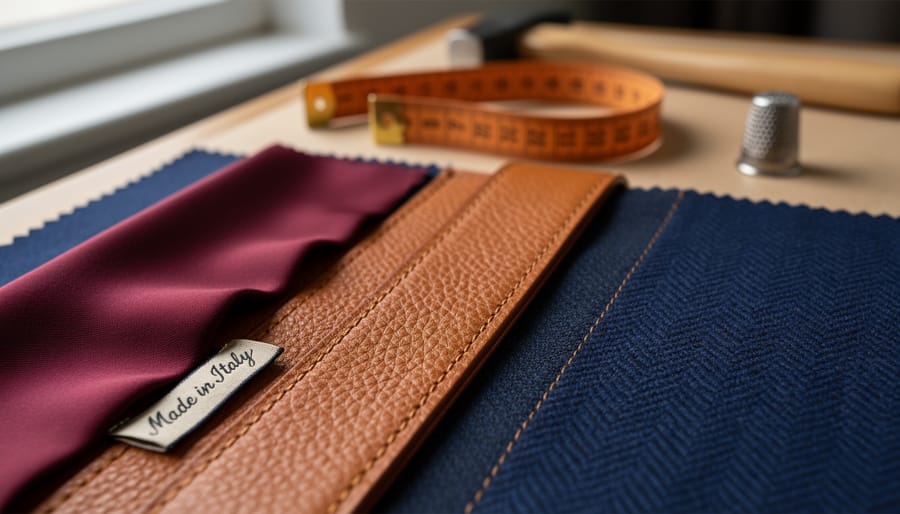
Italian luxury brands source materials that tell an immediate story the moment you touch them. The supple Nappa leather in a Bottega Veneta bag feels fundamentally different from anything you’ll find at a fast-fashion retailer because it comes from carefully selected tanneries, often family-run operations with century-old expertise. These tanneries use full-grain leather that develops character over time rather than synthetic finishes that crack and peel.
The fabrics matter just as much. Max Mara’s camel hair coats use premium wool blends that maintain their shape and softness through decades of wear, while Valentino’s silk comes from Italian mills that have perfected their weaving techniques across generations. This isn’t just about luxury for show. When you invest in Italian-made pieces, you’re buying materials that resist pilling, fading, and stretching.
Here’s the real payoff: a 500-dollar leather jacket from Gucci that lasts ten years costs you 50 dollars per year of wear. Compare that to replacing a 100-dollar faux leather jacket every season, and suddenly the math shifts entirely. The superior materials mean fewer replacements, less waste, and pieces that actually improve with age rather than deteriorating. That’s value that compounds over time.
The Italian Luxury Brands You Need to Know in 2026
The Quiet Luxury Leaders
Quiet luxury has become the ultimate power move in 2026, and these Italian brands wrote the rulebook decades ago. They prove that true luxury doesn’t need to announce itself with logos.
Bottega Veneta leads this movement with its signature intrecciato weave and “when you know, you know” philosophy. Their leather goods and ready-to-wear pieces are instantly recognizable to those in the know, yet completely understated to everyone else. The brand continues expanding globally, demonstrating that discretion never goes out of style. Their handbags, particularly the Jodie and Cassette styles, have become modern classics that work just as well in boardrooms as they do at weekend brunches.
Max Mara masters the art of timeless elegance through impeccable tailoring and luxurious fabrics. Their iconic 101801 camel coat has been in production since 1981, proving that truly great design transcends trends. Max Mara excels at creating pieces that look expensive without trying, from perfectly cut wool trousers to cashmere sweaters that become wardrobe staples for decades.
Fabiana Filippi brings a softer approach to quiet luxury with feminine silhouettes and exquisite knits. The brand combines traditional Italian craftsmanship with contemporary sensibility, creating pieces that feel special without demanding attention. Their cashmere is legendary, and their attention to detail, from hand-applied embellishments to perfectly proportioned cuts, justifies every penny.
These brands understand that true confidence doesn’t shout. They create investment pieces that elevate your entire wardrobe through quality, cut, and timeless appeal rather than fleeting trends.
Statement-Making Icons
If quiet luxury whispers, these Italian powerhouses practically shout from the rooftops. Gucci leads the maximalist pack with its eclectic mix of bold florals, signature web stripes, and the instantly recognizable double-G hardware that turns heads on every street corner. Under creative direction that shifts between reverence for archives and wild experimentation, Gucci creates pieces that demand attention whether you’re wearing a statement bag or their iconic loafers.
Valentino brings romance and drama in equal measure, with their signature Valentino Garavani rockstud details adding edge to feminine silhouettes. The brand’s recent collections embrace vibrant color blocking and architectural shapes that photograph beautifully and make every outfit feel event-worthy. These aren’t pieces that blend into the background, they’re conversation starters.
What makes these brands worth the investment isn’t just the wow factor. Their bold designs hold their value precisely because they’re memorable and distinctive. A recognizable Gucci print or Valentino stud detail doesn’t go out of style, it becomes part of fashion history. When you’re ready to make your presence known, these Italian icons give you the confidence to own the room.
The Specialists Worth Investing In
Some Italian luxury brands have built their entire reputation around doing one thing exceptionally well, and that focused expertise makes them incredibly valuable wardrobe investments. Moncler stands as the perfect example: while they’ve expanded beyond their origins, their down-filled outerwear remains unmatched in both technical performance and style. When a brand dedicates decades to perfecting a specific category, you’re not just buying a product, you’re buying generations of specialized knowledge about fit, function, and materials that generalist brands simply can’t replicate.
These specialist brands often offer better entry points into Italian luxury because their focused approach means you know exactly what you’re getting. Moncler’s puffers work as well on Alpine slopes as they do on city streets, staying relevant through shifting coat trends because their foundation is technical excellence rather than seasonal whims. Similarly, brands like Max Mara have become synonymous with exceptional coats and tailoring, making them reliable investments when you’re ready to add Italian luxury to your wardrobe strategically. The specialist approach means these pieces integrate seamlessly with what you already own while instantly elevating your entire look.
How to Access Italian Luxury Without the Luxury Price Tag
The Entry-Level Pieces That Give You the Most Value
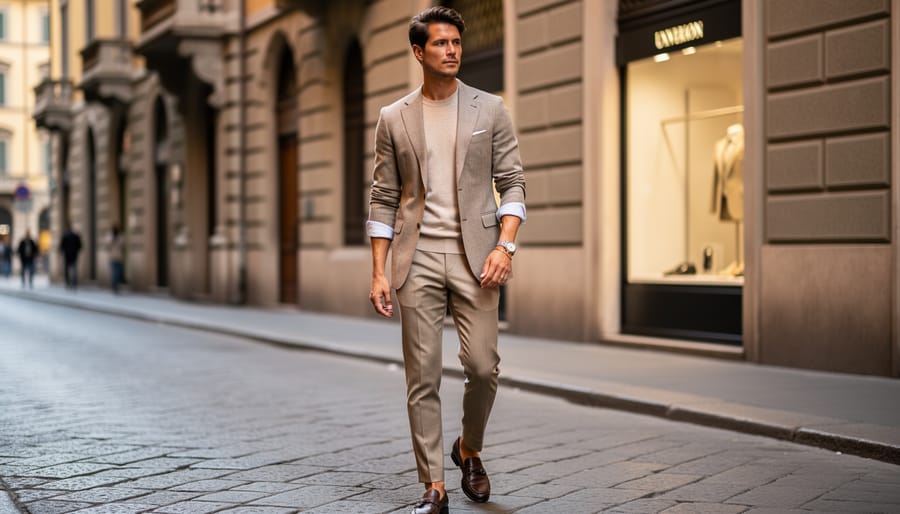
Start with small leather goods. A card holder or zip-around coin purse from Bottega Veneta or Gucci costs a fraction of their handbag prices but delivers that same luxurious feel every time you pull it out. These pieces showcase the craftsmanship that makes Italian brands special, the buttery leather, the perfect stitching, the weight of quality, without requiring a massive investment. They’re also conversation starters that signal your appreciation for genuine luxury.
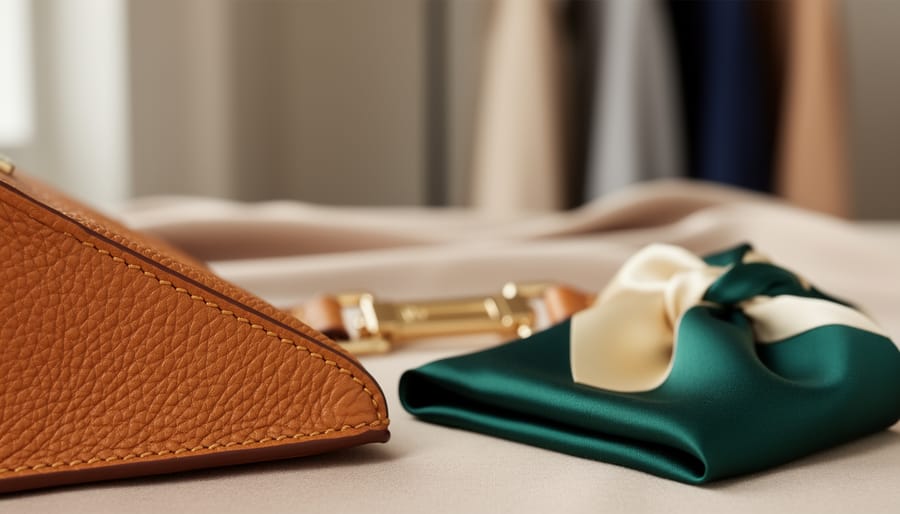
Scarves represent another brilliant entry point. Italian silk scarves from brands like Gucci or Valentino transform any outfit instantly, channeling that effortlessly chic aesthetic seen in timeless Diana outfits. A single scarf works as a necktie, hair accessory, bag charm, or even a belt. The versatility means you’ll actually use it, maximizing cost-per-wear while experiencing authentic Italian craftsmanship.
Belts deserve serious consideration too. A leather belt from an Italian luxury house lasts decades with proper care, making the initial cost negligible when spread across years of wear. Max Mara and Valentino both offer classic styles that elevate jeans, dresses, and coats without screaming for attention.
The strategy here isn’t about owning lots of luxury items. It’s about choosing pieces you’ll use constantly, that showcase real craftsmanship, and that make you feel incredible every single time you wear them. Quality over quantity wins every time.
Building Your Italian Luxury Capsule Wardrobe
Start with one showstopping coat or blazer from Max Mara or Valentino. A single exceptional outerwear piece transforms everything you already own and carries you through multiple seasons. This becomes your foundation.
Next, add one pair of Italian leather shoes or boots. Whether it’s Bottega Veneta’s signature woven leather or classic pumps from Gucci, quality footwear elevates even your simplest outfits. These pieces work across 3-piece luxury looks and casual weekend styling equally well.
Your third investment should be a structured handbag in a neutral shade. Italian leather ages beautifully rather than deteriorating, meaning your bag actually improves with time. Choose a style that transitions from workweek to weekend without missing a beat.
From there, build strategically around your lifestyle. If you live somewhere with harsh winters, a Moncler puffer jacket becomes non-negotiable for both warmth and style. Cold-weather dressing benefits enormously from Italian craftsmanship in winter fashion statements that actually perform.
The key is purchasing one piece per season rather than five cheaper alternatives. Calculate cost-per-wear honestly. A €800 coat worn 100 times over five years costs €8 per wear. Those €80 coats you replace annually? They’re costing you more.
Think about your actual daily life when selecting pieces. If you’re constantly on your feet, invest in Italian footwear first. Check out luxury shoe ideas that balance comfort with elegance. If you carry work essentials daily, prioritize the handbag.
Space your purchases three to four months apart. This prevents buyer’s remorse, lets you truly assess each piece’s value in your wardrobe, and keeps your budget manageable while building something genuinely luxurious over time.
The Real Cost Breakdown: Fast Fashion vs. Italian Luxury
Let’s talk real numbers, because this is where Italian luxury starts making serious sense for your wallet.
Picture this: you buy a $40 fast fashion coat. It looks cute for one season, maybe two if you’re lucky. The lining tears, the buttons fall off, and by next winter you’re shopping again. Do this three times over three years and you’ve spent $120 on coats that are now landfill fodder. Or you could invest $400 in a Max Mara wool coat that will look impeccable for a decade or more. Same three years? You’re actually $80 ahead, plus you own something that still has resale value.
The math isn’t just about money. Fast fashion pieces typically last 5-10 wears before quality issues appear. That $30 dress costs you $3 to $6 per wear. A $300 Italian dress worn 50 times over several years? That’s $6 per wear initially, dropping to $3 after 100 wears, and continuing to decline while still looking fresh. The cost-per-wear on quality pieces plummets over time while cheap items get tossed before they ever become economical.
Here’s what really changes the equation: Italian luxury brands offer repair services. That Bottega Veneta bag with a worn handle? They’ll restore it. Your Gucci loafers can be resoled multiple times. Fast fashion offers no such lifeline. When something breaks, you replace it entirely, restarting the cost cycle from zero.
The sustainability angle matters for your conscience and your budget. The fashion industry produces 92 million tons of textile waste annually, with fast fashion driving most of it. Every time you replace a worn-out cheap piece, you’re paying twice: once at the register and again through environmental costs that affect us all. Italian luxury brands increasingly prioritize durability and responsible production, meaning your investment supports better practices while lasting exponentially longer.
Think of Italian luxury as buying once instead of buying forever. You’re not just purchasing a garment. You’re opting out of the expensive cycle of constant replacement that fast fashion depends on to survive.
Where Italian Luxury Fashion Is Heading in 2026
Italian luxury brands are breaking their own rules in 2026, and honestly? It’s about time. The stuffy, exclusive image that once defined luxury fashion is crumbling, replaced by brands that recognize their future depends on opening doors, not guarding velvet ropes.
The physical expansion tells the story. Luxury houses are strategically entering markets they previously overlooked, bringing authentic Italian craftsmanship to fashion lovers worldwide. This isn’t just about opening stores, it’s about acknowledging that desire for quality exists everywhere, not just in Milan or Manhattan.
Sustainability has shifted from marketing buzzword to genuine practice. Italian brands are returning to their roots, emphasizing the longevity and timeless design that made them legendary in the first place. When a Valentino coat lasts ten years instead of one season, that’s sustainability in action. The craftsmanship heritage that built these brands naturally aligns with slower, more thoughtful fashion consumption.
Milan Fashion Week, organized by CNMI continues setting global trends while increasingly showcasing how Italian luxury can exist at various price points. The event demonstrates that luxury isn’t a single tier but a spectrum of quality and design excellence.
Perhaps most exciting is the accessibility revolution. Brands are introducing entry-level collections without compromising their standards. They’re creating pieces specifically designed for younger consumers building their first luxury wardrobes, recognizing that today’s scarf buyer becomes tomorrow’s coat investor.
The digital transformation deserves mention too. Italian luxury brands once resistant to online retail now embrace it, making their pieces available to anyone with internet access. Virtual shopping experiences, detailed product stories, and transparent pricing have democratized access in ways unimaginable five years ago.
This evolution proves what you’ve always suspected: luxury fashion doesn’t require wealth, just strategy and appreciation for quality that lasts.
Your Italian Luxury Shopping Strategy for 2026
You’re not dreaming when you think about adding Italian luxury to your wardrobe. You’re planning, and there’s a huge difference. Here’s your concrete action plan for making it happen in 2026, regardless of where you’re starting from financially.
First, get honest about what you actually need and love. Scroll through your camera roll and identify the outfits you wear most. What’s missing? What would elevate those looks? This isn’t about following trends blindly, it’s about understanding your personal style so your Italian luxury pieces become wardrobe workhorses, not closet decorations.
- Assess your current style by reviewing your most-worn outfits and identifying gaps where Italian luxury could make the biggest impact on your everyday looks.
- Identify your top three investment priorities based on cost-per-wear potential, choosing pieces you’ll genuinely use multiple times per week.
- Set a realistic timeline and savings goal, whether that’s one piece per season or one signature item per year, there’s no “right” pace.
- Research specific brands and items that align with your style preferences, reading reviews and checking authentication guides for the pieces you’re considering.
- Find your preferred shopping channels by exploring authenticated resale platforms, outlet options, brand sample sales, and official brand sites during seasonal promotions.
- Make your first purchase with confidence, knowing you’ve done the research and chosen something that genuinely fits your life and style.
Remember, the brands you’ve discovered throughout this article, from Bottega Veneta’s understated elegance to Gucci’s bold statements, aren’t gatekeeping luxury. They’re creating pieces meant to be worn and loved. Your budget doesn’t define your style. Your choices do. Start where you are, use what you have, and build your Italian luxury collection at your own pace. That’s the real luxury.
Here’s the truth that the fashion industry doesn’t always want you to know: Italian luxury fashion isn’t a gated community with velvet ropes keeping you out. It’s a world you can enter on your own terms, at your own pace, without apologizing for your budget or comparing your journey to anyone else’s.
You’ve now got the blueprint. You understand what makes these brands worth the investment, you know which pieces offer the best entry points, and you’ve learned how to build a luxury wardrobe strategically rather than impulsively. Whether you start with a Max Mara scarf or save up for that Bottega Veneta bag, you’re making informed choices that align with your personal style and financial reality.
The stereotype that luxury fashion is only for the wealthy? That’s outdated thinking designed to keep you buying disposable pieces that never quite satisfy. Italian luxury brands create pieces meant to last years, not seasons. When you invest thoughtfully in quality over quantity, you’re not just buying clothes. You’re curating a wardrobe that reflects who you are and where you’re going.
So take that first step. Choose one Italian luxury piece that speaks to you and fits your budget. Wear it with confidence, knowing you’ve made a smart investment in yourself. Your style journey is uniquely yours, and Italian luxury fashion is ready to be part of it, regardless of what’s in your bank account today.