What Is Sustainable Fashion? (And How It Differs from Fast Fashion)
Sustainable fashion is clothing designed, produced, and distributed in ways that minimize environmental harm and prioritize ethical labor practices throughout the entire supply chain. Unlike the fast fashion model that churns out cheap, trend-driven pieces responsible for 10% of global carbon emissions and massive water consumption, sustainable fashion emphasizes durability, responsible materials, fair wages, and reduced waste.
If you’ve ever wondered why that $8 top feels disposable or why your closet is overflowing yet you have nothing to wear, you’re experiencing the fast fashion cycle firsthand. The difference between sustainable and fast fashion isn’t just about price tags or how long a garment lasts. It’s about the hidden cost of synthetic materials that won’t biodegrade in landfills, the water-intensive production processes, and the labor conditions behind those rock-bottom prices.
Here’s what makes this relevant to you: sustainable fashion doesn’t mean sacrificing style or blowing your budget on a single organic cotton tee. The movement has evolved beyond expensive boutique brands into an accessible approach that combines smart shopping, quality over quantity, and understanding what you’re actually buying. You can build a chic, versatile wardrobe while making choices that align with your values.
This guide breaks down exactly what sustainable fashion means in practical terms, how it actually works behind the scenes, the different approaches brands take (from recycled materials to fair-trade certification), and how you can incorporate these principles into your style without the overwhelm or guilt-tripping that often comes with eco-conversations.
What Sustainable Fashion Really Means
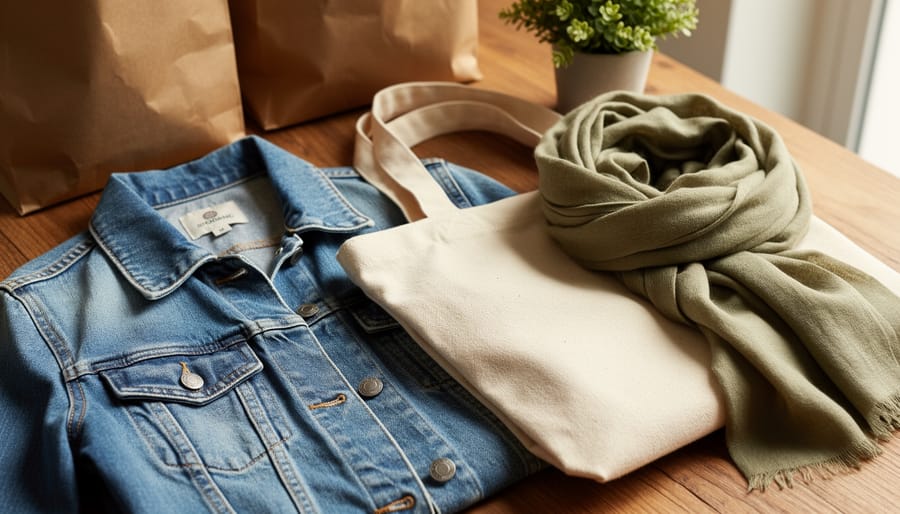
Sustainable fashion is an approach to designing, producing, and consuming clothing that minimizes environmental harm while respecting the people who make our garments. Unlike the traditional fashion industry’s model of rapid production and disposal, sustainable fashion prioritizes materials and methods that reduce pollution, conserve resources, and create garments built to last years rather than weeks.
At its core, sustainable fashion rests on three interconnected principles. First, environmental responsibility means choosing materials and production processes that reduce carbon emissions, water consumption, and textile waste. This includes using organic fibers, recycled fabrics, and natural dyes that don’t pollute waterways. Second, ethical production ensures fair wages, safe working conditions, and dignity for garment workers throughout the supply chain. Third, a long-term garment lifecycle approach designs clothes for durability, repairability, and eventual recycling or biodegradation rather than the landfill.
What makes sustainable fashion fundamentally different from conventional fashion is its focus on the full journey of a garment. Traditional models prioritize speed and low costs, often at the expense of quality, worker welfare, and environmental health. Sustainable fashion brands ask different questions: Where did this fabric come from? Who made this garment, and were they paid fairly? How long will this piece last, and what happens to it when you’re done wearing it?
This holistic approach shifts fashion from a disposable commodity to a considered choice. You’re not just buying a dress or jacket, you’re supporting practices that value both people and the planet while building a wardrobe that serves you well beyond a single season.
Understanding Fast Fashion: The Industry That Changed Everything
Fast fashion revolutionized the clothing industry in the early 2000s by turning style into a disposable commodity. Brands like Zara and H&M perfected a business model that compresses what used to take months into mere weeks: spotting a trend on the runway, replicating it in cheaper materials, and flooding stores before the hype fades. This speed-to-market approach transformed shopping from seasonal purchases into constant consumption.
The model depends on rock-bottom prices and relentless novelty. Fast fashion companies churn out new collections every few weeks, sometimes even weekly, training shoppers to expect fresh inventory each visit. They achieve those low price tags through mass production in countries with minimal labor protections and by using the cheapest possible materials, mostly petroleum-based synthetics like polyester that cost pennies per yard.
- Rapid Production Cycles
- The compressed timeline from design to store floor, often just 2-3 weeks, allowing brands to capitalize on trends while they’re still hot.
- Trend Replication
- Copying high-fashion runway looks and celebrity outfits at lightning speed, offering cheaper versions to mass-market consumers almost immediately.
- Synthetic Materials
- Petroleum-derived fabrics like polyester and nylon that cost less than natural fibers but carry significant environmental costs in production and disposal.
- Planned Obsolescence
- Designing garments with intentionally short lifespans through poor construction and trend-driven styling that feels outdated within months.
The environmental toll is staggering. The fashion industry now generates as much as 10% of global carbon emissions, more than international flights and maritime shipping combined. It’s also the second most water-intensive industry globally, guzzling resources for cotton farming and fabric dyeing.
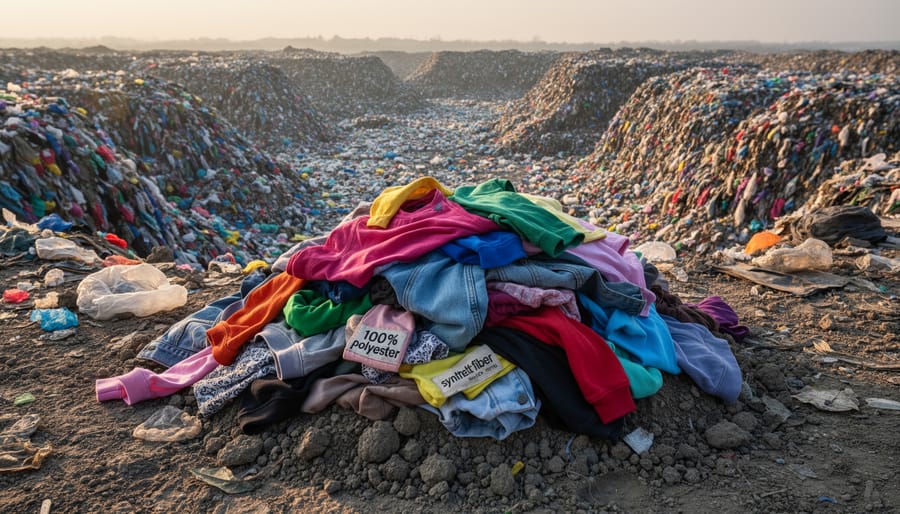
Where does it all go? Landfills. Americans alone toss roughly 11 million tons of textile waste annually, and those trendy synthetic pieces you wore twice won’t break down in your lifetime. Because synthetics don’t biodegrade they’ll sit in landfills for 200 years or more, slowly releasing microplastics into soil and water. Fast fashion created unprecedented access to style, but it came with a price tag the planet is still paying.
Sustainable Fashion vs. Fast Fashion: The Key Differences Explained
The differences between sustainable and fast fashion run much deeper than price tags or where you shop. Understanding these distinctions helps you make choices that align with your values without sacrificing your personal style.
Production Timelines and Design Philosophy
Fast fashion brands push new items into stores every few weeks, designing pieces to capitalize on fleeting trends before they fade. Sustainable fashion follows a slower, more intentional timeline. Designers focus on timeless pieces that remain relevant across seasons, investing months in perfecting patterns and sourcing materials rather than rushing products to market.
Material Sourcing and Environmental Impact
The fabric choices tell a powerful story. Fast fashion relies heavily on synthetic materials like polyester and nylon because they’re cheap and easy to produce at scale. The catch? These fabrics don’t biodegrade, contributing to the landfill crisis as discarded items pile up. The industry consumes massive amounts of water, it’s the second-biggest water consumer globally, and generates about 10% of global carbon emissions.
Sustainable brands prioritize organic cotton, recycled materials, and innovative plant-based fabrics. They verify their claims through standards like those from Textile Exchange, which helps consumers identify legitimate eco-friendly materials. When sustainable brands use animal products like down, many adhere to the Responsible Down Standard (RDS) to ensure ethical sourcing.
Quality and Longevity
Fast fashion items often fall apart after a handful of washes because they’re designed for immediate gratification, not durability. Sustainable pieces are constructed to last years, with reinforced seams, quality hardware, and materials that improve with age. This approach encourages repair and reuse rather than constant replacement.
Labor Practices and Transparency
Sustainable fashion brands typically maintain transparent supply chains, sharing information about where and how garments are made. They ensure fair wages and safe working conditions. Fast fashion’s rock-bottom prices often come at the expense of garment workers, though the industry rarely discloses these details.
The pricing paradox? Sustainable items cost more upfront but deliver better value over time through durability and timeless design.
How Sustainable Fashion Works in Practice
Material Innovation and Sourcing
Sustainable brands start with the raw materials, choosing fibers that reduce environmental harm from the ground up. Organic cotton, for example, skips synthetic pesticides and uses far less water than conventional cotton farming. You’ll also see recycled polyester made from plastic bottles, bamboo and hemp that grow without heavy chemical inputs, and innovative materials like Tencel derived from sustainably harvested wood pulp.
The verification process matters as much as the material itself. Legitimate sustainable brands work with certification bodies to prove their claims, Textile Exchange standards help verify everything from organic content to recycled fibers, ensuring the material sourcing checks out. If a brand uses down, look for the Responsible Down Standard (RDS), which protects the ducks and geese in the supply chain. These third-party certifications give you confidence that “eco-friendly” isn’t just marketing language.
Low-impact dyes and finishes round out the sourcing equation. Traditional fabric treatment involves harsh chemicals that pollute waterways, but sustainable producers use non-toxic alternatives or skip unnecessary processing altogether. The result is clothing that’s gentler on the planet without sacrificing the quality or style you want in your wardrobe.
Certification Standards That Matter
When you’re shopping sustainable, look for third-party certifications that actually verify what brands claim. These badges mean an independent organization has audited the supply chain, not just taken the company’s word for it.
Global Organic Textile Standard (GOTS) is the gold standard for organic fabrics. It covers everything from fiber harvesting through manufacturing, ensuring chemicals used meet strict environmental and toxicity requirements while guaranteeing fair wages throughout production.
For animal-derived materials, the Textile Exchange RDS protects ducks and geese used for down, requiring humane treatment and banning live-plucking and force-feeding. Textile Exchange also manages standards for recycled materials, organic cotton, and responsible wool.
Fair Trade Certified focuses on the people making your clothes, ensuring safe working conditions and fair pay. OEKO-TEX certifications test finished products for harmful substances, so you know what’s touching your skin is safe.
Bluesign concentrates on chemical management in textile production, keeping toxins out of waterways. Cradle to Cradle looks at the full lifecycle, certifying products designed for circularity.
No single certification covers everything, so brands serious about sustainability typically hold multiple. Check garment tags and brand websites for these logos, and don’t hesitate to ask questions if you can’t find verification. Real sustainable brands are proud to share their credentials.
The Circular Fashion Model
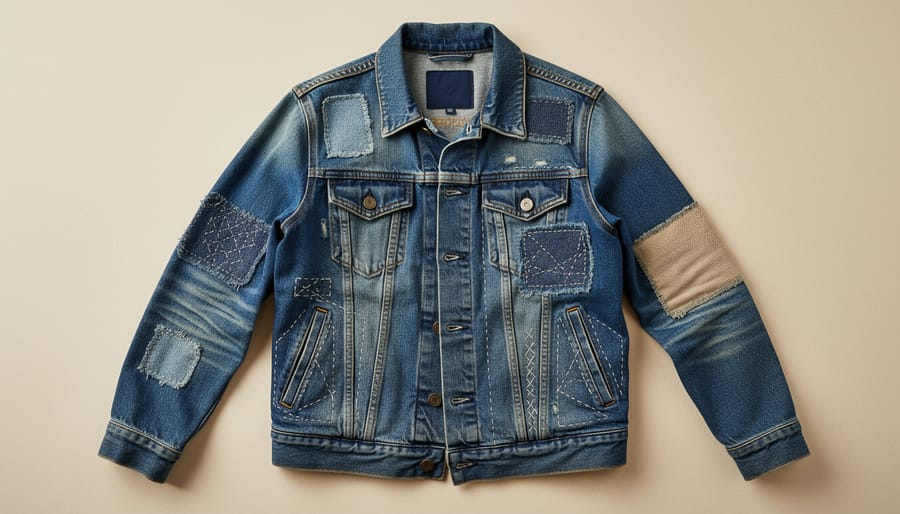
The circular fashion model flips the traditional “make, use, dispose” approach on its head. Instead of designing clothes that eventually become trash, sustainable brands build garments meant to live multiple lives. This starts at the design stage, where brands choose durable materials and construction methods that can withstand years of wear. Many pieces feature reinforced seams, replaceable buttons, and simple repairs anyone can handle at home.
When a garment does reach the end of its wearable life, circular design ensures it doesn’t stop there. Brands create take-back programs where you can return worn items for store credit. The company then repairs and resells them, breaks them down into new fabric, or composts natural fibers back into soil. Some innovative brands now design entire collections using mono-materials (single fiber types) that make recycling straightforward rather than impossible. This closed-loop system keeps textiles in use and out of landfills, transforming waste into a resource rather than an environmental problem.
Different Approaches to Sustainable Fashion
Sustainable fashion isn’t one-size-fits-all. There are multiple paths you can explore, each with its own focus and benefits, so you can find an approach that fits your lifestyle and values.
- Slow Fashion
- A movement that prioritizes timeless design, quality craftsmanship, and thoughtful consumption over rapid trend cycles. Slow fashion encourages buying fewer, better-made pieces that you’ll wear for years.
- Ethical Fashion
- Fashion that ensures fair wages, safe working conditions, and respect for the people who make your clothes. This approach focuses on the human impact of production rather than just environmental concerns.
- Circular Fashion
- A system where garments are designed to be worn, repaired, resold, and eventually recycled back into new materials rather than ending up in landfills. It’s fashion that thinks about the full lifecycle from the start.
- Upcycling
- The creative process of transforming old or discarded garments into something new and valuable, giving materials a second life without breaking them down. Vintage shopping falls into this category too, keeping existing clothes in circulation.
- Conscious Consumption
- A mindset shift that asks you to think before you buy, considering whether you truly need an item and how it fits into your existing wardrobe. It’s about intentional choices rather than impulse purchases.
These approaches often overlap. You might build a minimalist capsule wardrobe with sustainable wardrobe pieces that embodies both slow fashion and conscious consumption. Or you could embrace quality over quantity by investing in fewer, ethically-made items while also shopping vintage for unique finds.
Rental and sharing models have opened up fresh possibilities too. Services that let you borrow special occasion outfits or rotate everyday pieces mean you can access variety without the commitment of ownership. This works especially well if you love experimenting with trends but don’t want the environmental cost of constant purchasing.
The beauty of this spectrum is that you don’t have to pick just one lane. Start where it feels natural. Maybe you choose durable shoes that won’t fall apart after a season, then gradually add more secondhand pieces to your rotation. Each small shift contributes to style that lasts beyond fleeting trends while supporting a healthier fashion ecosystem.
How to Embrace Sustainable Fashion (Without Breaking the Bank)
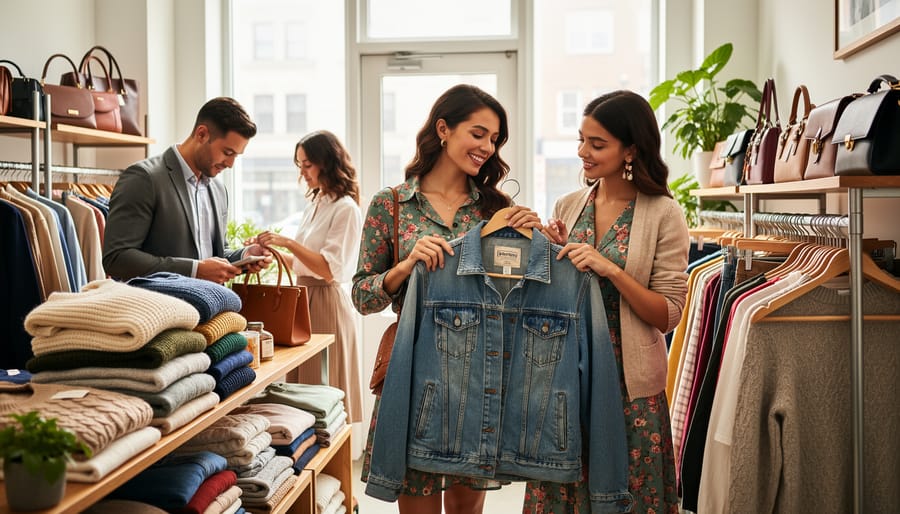
You don’t need a massive budget to make sustainable fashion work for you. The key is shifting how you think about clothes: from constant newness to intentional choices that last. Start by auditing what you already own. Pull everything out, try it on, and identify pieces you actually wear versus those collecting dust. This helps you spot patterns in your style and prevents duplicate purchases that end up unworn.
Building a capsule wardrobe is one of the most budget-friendly sustainable strategies. Choose 30-40 versatile pieces in a cohesive color palette that mix and match effortlessly. A quality white tee, well-fitted jeans, a blazer that works for both casual and dressy occasions, these anchors give you dozens of outfit combinations without closet overload. You’ll buy less overall, which saves money and reduces waste.
Secondhand shopping is your secret weapon. Thrift stores, consignment shops, and online platforms offer designer and quality brands at a fraction of retail prices. The environmental impact is essentially zero since you’re extending a garment’s life instead of buying new. Set aside an hour to browse regularly rather than shopping in desperation mode, and you’ll find incredible pieces. Vintage finds often have better construction than current fast fashion options anyway.
- Check fabric composition on thrift finds, natural fibers like cotton, wool, and linen last longer than synthetic blends
- Learn basic garment care: wash in cold water, air dry when possible, and spot-treat stains immediately to extend clothing life
- Invest strategically in pieces you wear constantly, a quality winter coat or everyday bag pays for itself over years of use
- Look for affordable sustainable brands that offer transparency about materials and production without luxury markups
- Join local clothing swap groups or organize exchanges with friends to refresh your wardrobe without spending anything
Choosing quality over quantity completely changes your cost-per-wear calculation. A $60 sweater you wear fifty times over three years costs $1.20 per wear. A $15 fast fashion sweater that falls apart after ten wears costs $1.50 per wear, and generates more waste. Before buying anything, ask yourself if you’ll wear it at least thirty times. That simple filter eliminates impulse purchases.
Proper garment care dramatically extends clothing life, which is the most sustainable (and affordable) choice you can make. Follow care labels, repair small issues like loose buttons immediately, and store seasonal items properly. These habits cost nothing but preserve your investment and keep clothes out of landfills longer.
Common Questions About Sustainable Fashion
What is sustainable fashion?
Sustainable fashion refers to clothing designed, produced, and consumed in ways that minimize environmental harm and prioritize ethical labor practices. It focuses on long-lasting garments made from eco-friendly materials, transparent supply chains, and practices that support a circular economy rather than the disposable culture of fast fashion.
What is the difference between sustainable fashion and fast fashion?
Fast fashion prioritizes rapid production of inexpensive trend-driven clothing, often using synthetic materials that don’t biodegrade and causing significant environmental damage. Sustainable fashion emphasizes quality over quantity, using eco-friendly materials, fair labor practices, and designs meant to last years rather than weeks.
How can I tell if a brand is truly sustainable?
Look for third-party certifications like Textile Exchange standards or the Responsible Down Standard (RDS), which verify sustainability claims. Genuine sustainable brands typically provide transparent information about their supply chain, material sourcing, and factory conditions on their websites.
Is sustainable fashion more expensive?
While some sustainable pieces carry higher upfront costs due to quality materials and fair wages, they’re often better value long-term because they last longer. You can also embrace sustainable fashion affordably through secondhand shopping, clothing swaps, and building a smaller wardrobe of versatile pieces you’ll actually wear.
Can I still be trendy with sustainable choices?
Absolutely. Sustainable fashion isn’t about sacrificing style, it’s about being intentional with your choices. You can follow trends through vintage finds, rental services for statement pieces, or sustainable brands that offer contemporary designs, all while developing a unique personal style that goes beyond fleeting trends.
The beauty of sustainable fashion is that it empowers you to ask better questions about your clothes. Instead of “Is this cute?” you start asking “Will I still love this in a year? Where did this come from? Who made it?” These questions don’t complicate your style, they deepen it, helping you build a wardrobe that reflects your values and actually works for your life. You’re not giving up on fashion when you choose sustainability; you’re claiming ownership of it.
Sustainable fashion isn’t about perfection. It’s about making choices that feel good and do good, one piece at a time. You don’t need to overhaul your entire wardrobe overnight or spend a fortune on eco-certified everything. Start with what works for you: swap one fast fashion purchase for a secondhand find, invest in a versatile piece that’ll last years instead of months, or simply take better care of what you already own.
The beauty of sustainable fashion is that it breaks the stereotype that ethical choices mean sacrificing style or settling for boring basics. You can express your unique personality, stay on-trend, and feel confident knowing your wardrobe reflects your values. Whether you’re thrifting a statement jacket, building a capsule wardrobe of quality staples, or supporting brands with transparent practices, you’re part of a movement that’s reshaping the industry.
Your style is yours to define. Making it sustainable just means it’ll look good, last longer, and leave a lighter footprint. That’s fashion worth embracing.